
From Natural Medicine to Medical Innovation
Many people are surprised to learn that Grace Gawler’s journey into cancer care did not begin with hospitals or medical technology. It began with a deep interest in health, nutrition, and natural medicine.
At twenty-one, Grace was working as a veterinary nurse and planning to study veterinary medicine. Encouraged by her uncle, a well-known Australian boxing champion, she developed a strong interest in healthy eating and natural approaches to health. She had no idea that cancer would soon change the course of her life.
Everything changed when her boyfriend was diagnosed with bone cancer and underwent the amputation of his leg. As news of his remarkable recovery spread, cancer patients and their families began seeking her guidance. This unexpected development placed Grace on the front line of cancer care and exposed her to an important reality. Many patients begin by searching for natural solutions. Grace’s own journey followed that path, but it ultimately led her to advanced diagnostics and minimally invasive treatments that offered greater precision and fewer side effects. While nutrition, lifestyle, and selected natural therapies could provide valuable support, Grace observed that natural medicine alone was insufficient against aggressive cancers. At the same time, she witnessed the significant side effects many patients experienced from chemotherapy and radiation therapy, and more recently, with some immunotherapy treatments. Continue Reading Becoming his carer and advocate, Grace immersed herself in the study of naturopathy and herbal medicine, graduating with distinction.
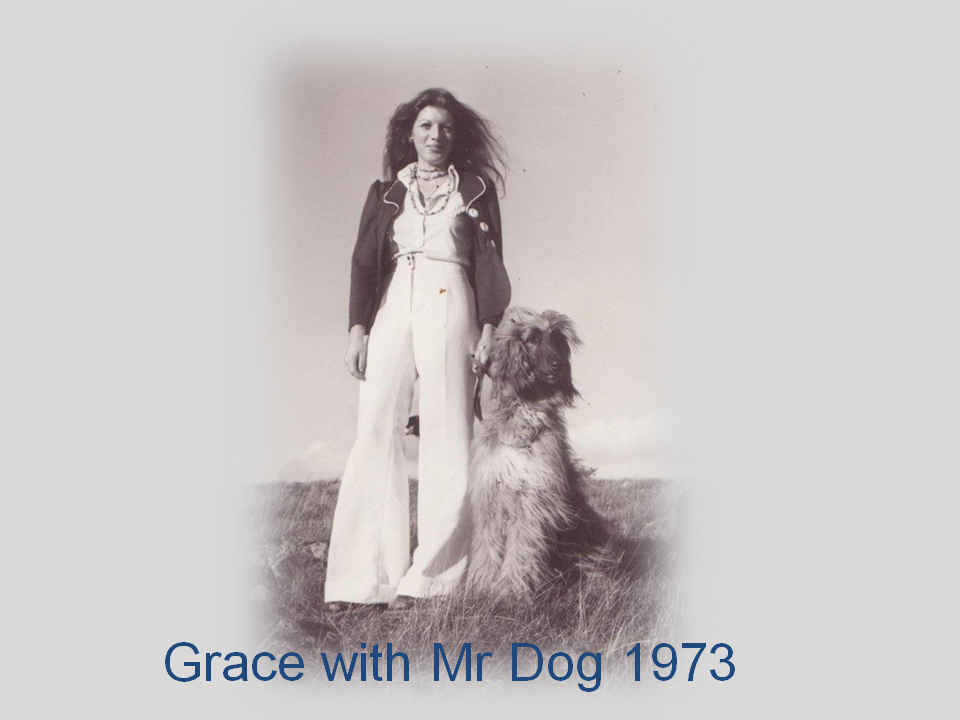
Grace found herself asking a simple but profound question.
Surely there must be viable treatments that are both more effective and less damaging?
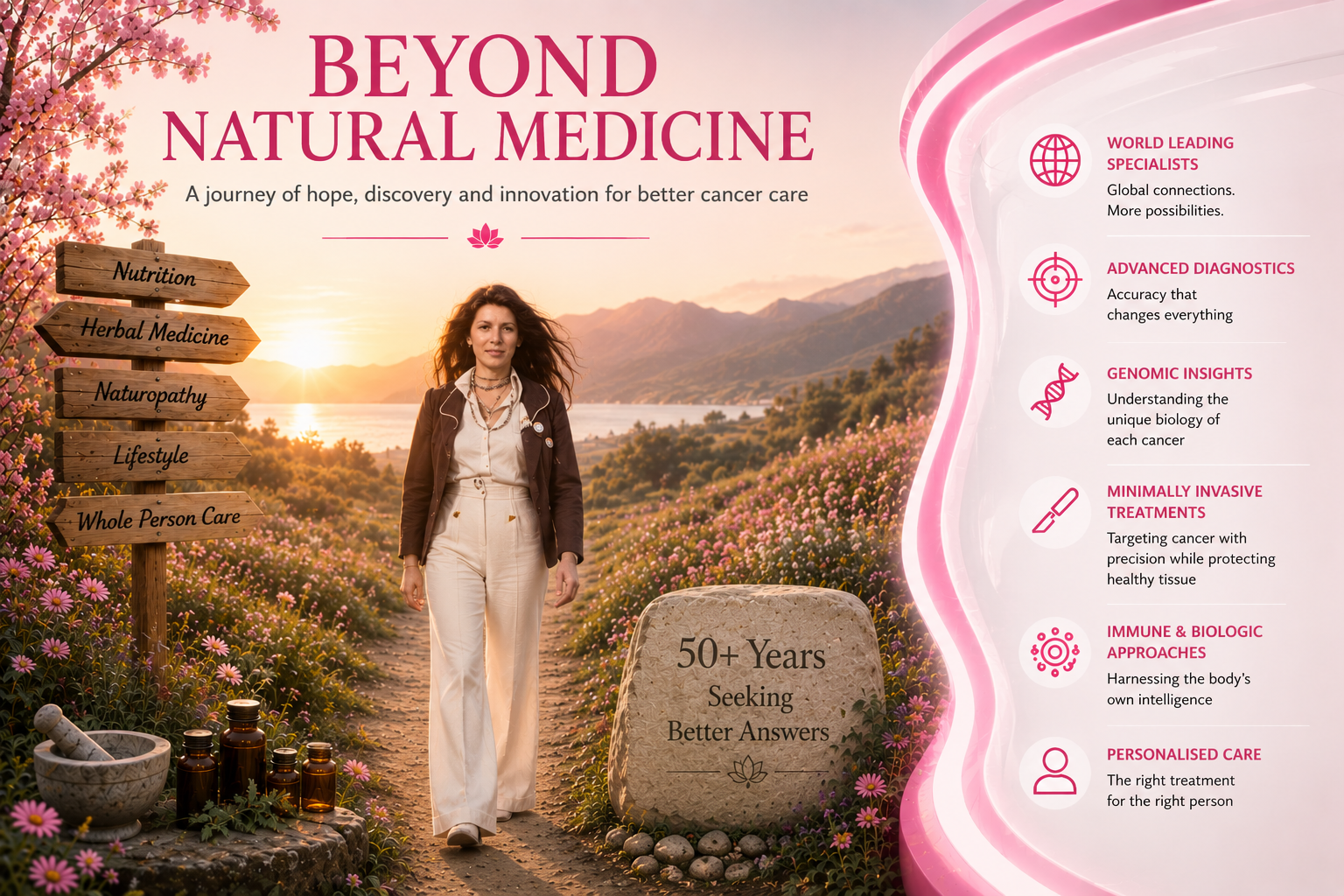
Beyond Natural Medicine: A Search for Better Answers
That ‘surely there must be’ question launched a global search that has now spanned more than five decades.
Rather than choosing between natural and conventional medicine, Grace searched for the best of all worlds. She sought out clinicians and treatment centres developing more precise diagnostics and more targeted cancer treatments. This search eventually led her to the emerging field of minimally invasive cancer therapies.
Combined with advanced imaging, genomic testing, and sophisticated treatment planning, these approaches offered the potential to target cancer more precisely while minimising damage to healthy tissue.
For Grace, this was not a rejection of natural medicine. It was the next step in her search for better patient outcomes. Today, Grace’s work brings these worlds together. She continues to value nutrition, lifestyle, psycho-oncology support, and patient wellbeing, while helping patients explore advanced diagnostics, innovative minimally invasive treatments, and world leading medical centres that may offer opportunities beyond standard local pathways. For patients seeking natural solutions, her journey offers an important insight. The search for gentler, smarter, and more effective cancer care does not end with natural medicine. In many cases, it begins there and leads to an entirely new level of medical innovation. That journey has been the foundation of Grace Gawler’s work for more than fifty years. Continue Reading Her background in naturopathy taught her the importance of supporting the whole person, while her experience with cancer patients revealed the need for more effective treatment options.
What This Could Mean for You
Many patients arrive believing they have already explored every available option.
Others have been told there is nothing more that can be done.
Yet throughout my fifty years in cancer care, I have repeatedly seen that additional opportunities may exist, sometimes within the local medical system, sometimes through more advanced diagnostics, and sometimes through innovative minimally invasive treatments available elsewhere.
My role is not to tell patients what to do. It is to help them see the widest possible landscape of options so they can make informed decisions about their care.
Because hope is not a treatment.
But discovering an option you never knew existed can change everything.