
Grace Gawler comments: A recent article published in Academia Letter titled Drug Interactions and Drug Interaction Checkers authored by Domina Petric MD, further supports the study mentioned below from the Journal of Clinical Oncology.
She writes: “Because individuals are living longer and accruing chronic diseases, practitioners have a new responsibility to prescribe appropriately the many medications available to manage concurrent disease states. The plethora of pharmaceutical options must be balanced with the potential risk of multiple medication use. These risks include, but are not limited to, adverse effects, drug/drug interactions, drug/disease interactions and inappropriate dosing regimens. Primary care health professionals such as physicians, physician assistants, and nurses have an enormous opportunity to survey patients for this risk given their accessibility and roles in the coordination of care”.
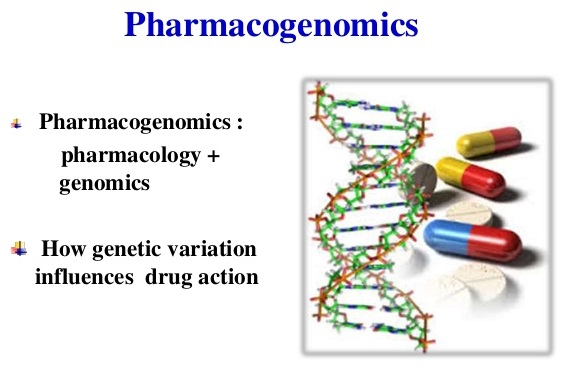
Grace says – “A PGX is not expensive and is a one-off test for life. Not only is the application of PGX ( pharmacogenomics) results potentially lifesaving, but patients may avoid unnecessary suffering (long-term and short-term) induced by adverse drug reactions. Every cancer patient should know about their value and should discuss with their doctors. Pharmacogenomic Tests PGx
U.K. Study Shows Most Cancer Patients Would Benefit from Pharmacogenetic Testing
An analysis of a large trove of whole genome sequencing (WGS) data has shown that pharmacogenetic testing could be very valuable for most cancer patients taking even one of five common oncology drugs.
The study appeared in the Journal of Clinical Oncology. The lead author is Ivone U.S. Leong, PhD, of Genomics England.
The data was from participants in the 100,000 Genomes Project, a landmark study led by Genomics England in partnership with the NHS Genomics, which started by sequencing 100,000 genomes from around 85,000 NHS patients affected by rare disease or cancer. 22 Feb 2024
PGx testing can lead to better clinical outcomes for people with cancer by improving the effectiveness of treatment or by reducing the risk of adverse drug reactions that can cause a patient to stop treatment, or in some cases, can result in death.
Pharmacogenomic tests are not just for cancer patients. They are for everyone. PGx tests are a vital anti-ageing tool. As we age the need for more medical drugs increases. With the PGx test our doctors can ensure we don’t suffer from adverse medical drug effects or reactions which can be harmful or even lead to death.
Read More about PGx tests in Australia
Footnote:
Pip Cornall: My PGx test showed I would react badly to hydroxychloroquine, an antimalarial drug that was once erroneously thought to help Covid patients. Grace’s PGx test showed her body does not metabolise a commonly used anaesthetic. In both our cases this knowledge can prevent doctors from prescribing medications that may harm us.